Upgrading Life Sciences Environments
Designing for 364 Days of Uptime
When we sit down with a client on a live pharma or lab project, the first question is usually about downtime:
“Is it necessary to shut down?”
In some facilities, there is only one full planned shutdown window in the entire year - Christmas Day.
The Reality of Live Environments
For a period last year, life sciences upgrades slowed as clients paused programmes amid global political and economic uncertainty. But that activity has returned, and with it, a renewed focus on upgrading facilities without disrupting production.
Because in live environments, the stakes are different.
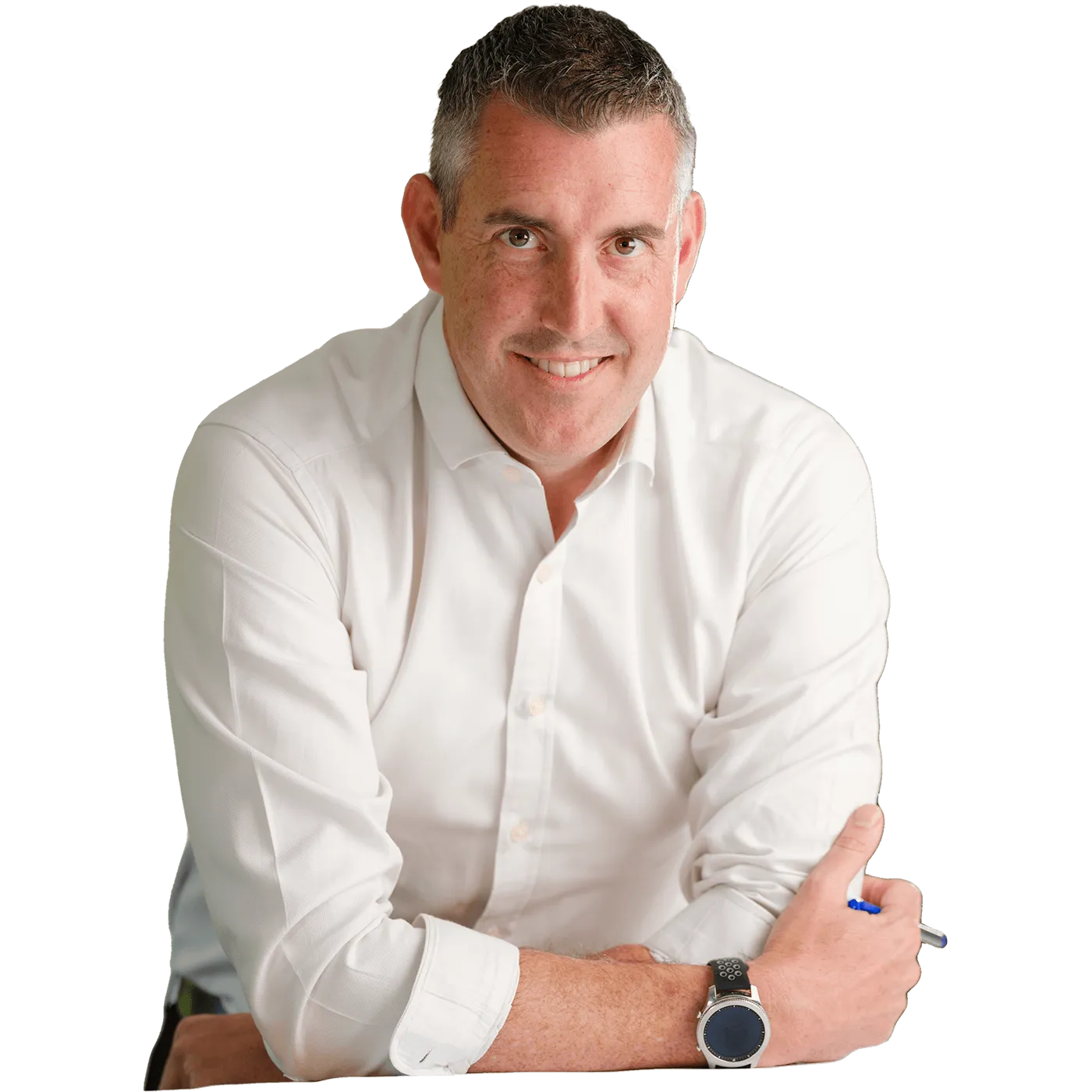
“It’s about keeping it live. Downtime is expensive.” - Daniel Lynch, Executive Director, Senior Mechanical Engineer
Whether extending a cleanroom, replacing HVAC, or modifying plant, the question is always the same:
How long do we have to shut down - and what does that mean for the business?
When you only have one planned shutdown a year, the other 364 days must run exactly as intended.
The Planning Is the Real Expertise
Design is important, yes, but in live pharma and lab environments, planning is key to success.
“Once you’re in that situation, it’s risk mitigation for the client.” - Daniel Lynch
The success of the project depends on alignment before anything starts.
- Clear sequencing
- Clear roles
- Clear timing
- Clear understanding of operational constraints
The more clarity there is, the smoother the job will run.
The Document That Protects Cost and Programme
Clarity starts with one thing:
The User Requirement Specification (URS)
“Tell us what you’re trying to achieve - we need to know what we’re designing towards.” - Daniel Lynch
The URS defines:
- What the space is for
- What regulatory standards apply
- What additional company standards sit above compliance
Without it, we’re designing on assumptions, which can be expensive if they're not correct.
When Key Information Arrives Late
On a recent project, Metec had delivered a similar building before. That experience allowed the team to move early and confidently.
But the formal URS arrived late - with additional BMS requirements.
At that point:
“You’re not designing. You’re adjusting.” - Daniel Lynch
Adjustments mean:
- Additional coordination
- Additional cost
- Additional shutdown planning
- Increased operational risk
In live facilities, late information doesn’t just affect the design, it affects delivery.
Fostering Early Clarity
Sometimes clients need help articulating what they need e.g. detailed room-by-room schedules.
“If you give them something tangible to respond to, it helps clarify what they actually need.” - Daniel Lynch
Once the requirement is clearly defined and signed off, certainty returns.
Good Engineering Is Often Simple
“It doesn’t have to be overly complicated. Most systems are straightforward once you know what you’re doing.” - Daniel Lynch
The fundamentals for success:
- Ensure there are no gaps in the information
- Use reliable products
- Specify proven systems
- Work with suppliers who offer local support
Because the next question is always:
“Are these guys local? Can they get to site within an hour?” - Daniel Lynch
That thinking goes beyond capital cost, it’s about operational resilience.
Designing for the Next 15 Years
Clients aren’t just thinking about handover.
They’re thinking about:
- Maintenance cycles
- Access to equipment
- Shutdown frequency
- Replacement strategy
- Total lifecycle cost
“You don’t want to specify something that needs maintenance every three months if you can spend a bit more and only touch it once or twice a year.” - Daniel Lynch
Design-stage decisions influence the operation of the facility for a decade or more..
What Good Looks Like
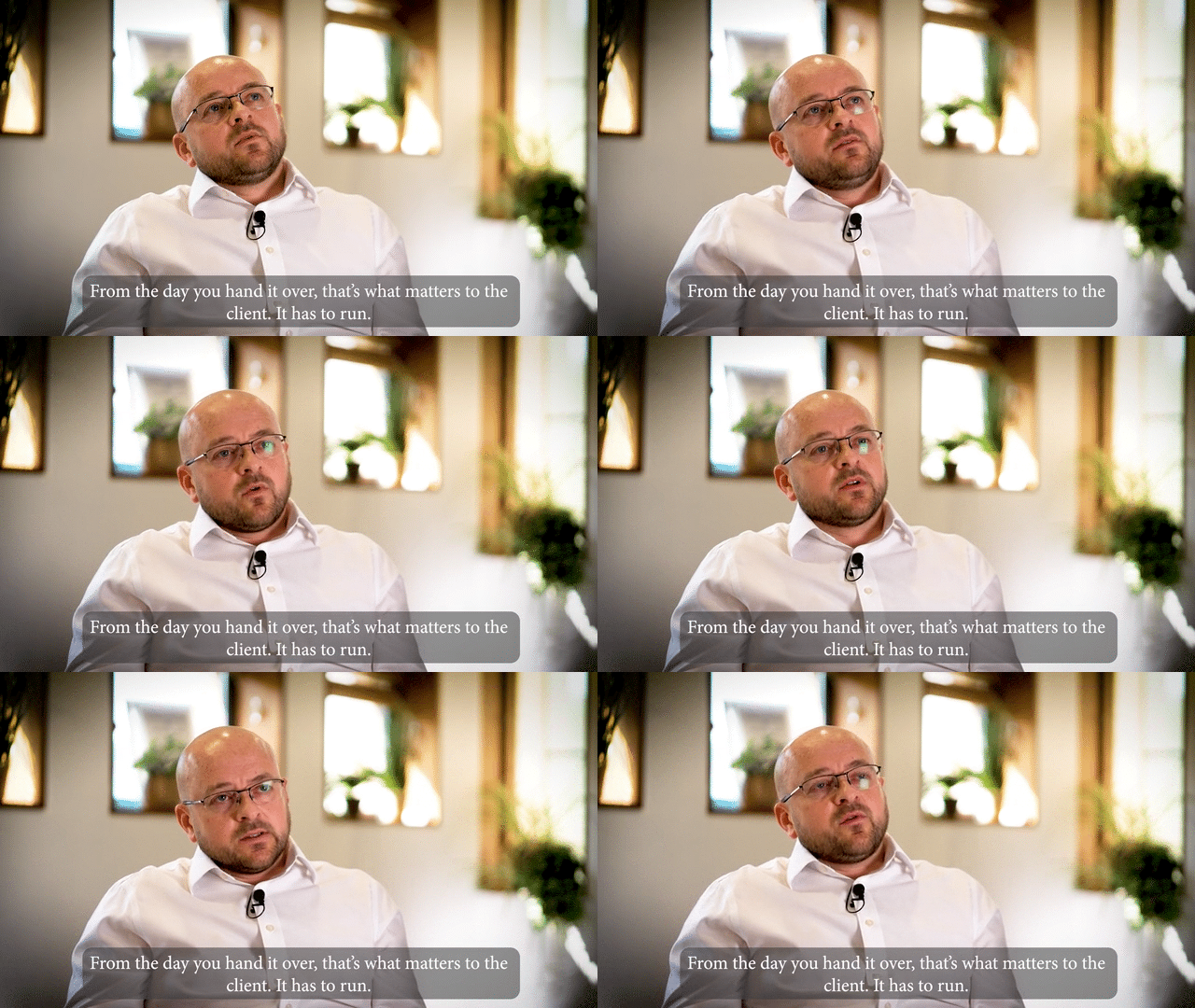
The real test begins when the keys are handed over.
Good engineering in life sciences environments isn’t about complexity.
It’s about:
- Clarity at the outset
- A plan everyone understands
- Systems that perform under pressure
- Minimal disruption
- Predictable operation
In facilities where there are 364 days of uptime to protect, that is what success looks like.
About the Author
Daniel Lynch is an Executive Director at Metec with over 15 years’ experience in mechanical design and consultancy across residential, commercial, hospitality and life sciences projects in Ireland and internationally. A graduate of Building Services Engineering from DIT Bolton Street, he joined Metec in 2015 and has been part of the leadership team since 2022.